traditional_art
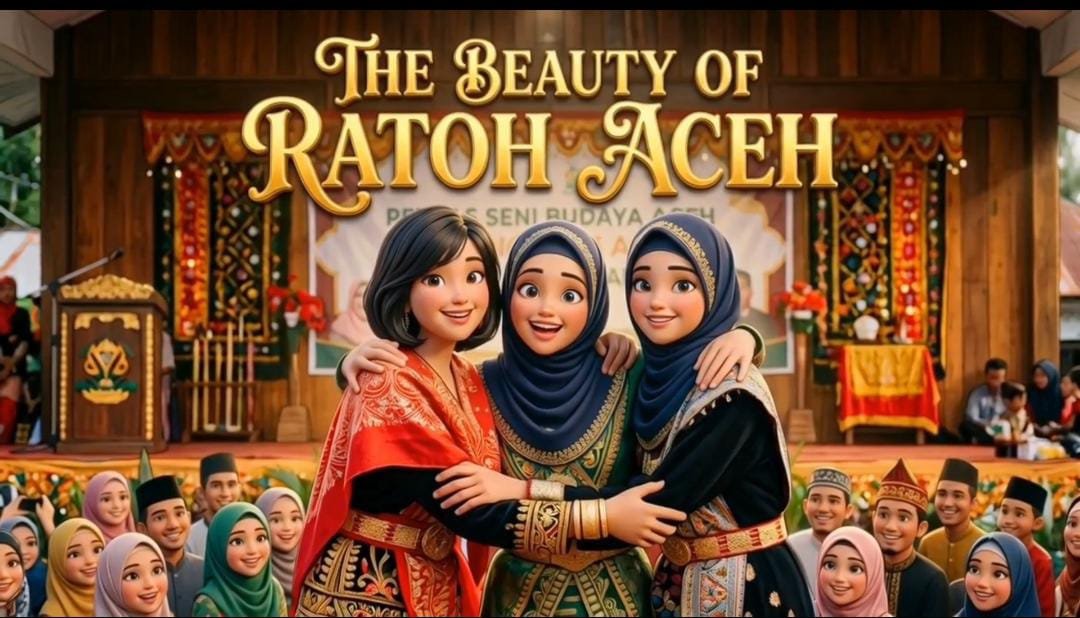
THE BEAUTY OF RATOEH ACEH
FE
By FARA ELIZA
20 September 2026
Characters
Angel Emiya as presenter 3
Fara Eliza as presenter 2
Violint Aprili Denio as presenter 1
Setting
The story takes place at a traditional Acehnese house in Langsa, Aceh, Indonesia, where the characters learn about Ratoeh Jaroe Dance and Acehnese culture.
Conflict
The main conflict is the challenge of preserving Ratoeh Jaroe as traditional culture in the modern era. Young people may be more interested in modern entertainment and less familiar with traditional dances. If this continues, traditional dances like Ratoeh Jaroe may become less known by future generations.
Ending
We should appreciate, learn, and preserve our traditional culture because it is an important part of our identity. Traditional dances such as Ratoeh Jaroe teach us the values of togetherness, cooperation, discipline, and respect for our heritage. As young people, we should not let traditional culture be forgotten because of modern influences. Instead, we can introduce and promote our culture through education, performances, and social media. By doing this, we can help keep Acehnese culture alive and pass it on to future generations.
Reflection
"The story begins in a traditional Acehnese house in Langsa, where Vio, Fara, and Mia gather to discover more about Ratoeh Jaroe Dance.
Vio starts the conversation by introducing Ratoeh Jaroe and explaining that it is a traditional dance from Aceh. She talks about the meaning of its name and the way the dancers perform together in rows.
Fara then continues by describing the unique movements of the dance. She explains how the dancers move their hands, arms, shoulders, and upper bodies in harmony with the rhythm. She also points out that synchronization, teamwork, and coordination are essential in the performance.
After listening to Fara, Mia shares the deeper meaning of Ratoeh Jaroe. She explains that the dance teaches important values such as unity, cooperation, discipline, and solidarity. The three students then realize that traditional culture needs to be appreciated and introduced to the younger generation.
In the final scene, Vio, Fara, and Mia encourage young people to learn and preserve Ratoeh Jaroe. They believe that by learning, performing, and sharing traditional dances, young people can help keep Acehnese culture alive for the future.
Moral message:
Our traditional culture is part of our identity. By appreciating and preserving it together, we can make sure that our cultural heritage continues to be known and valued by future generations."